Every business leader has heard the same pitch:
advanced cybersecurity stacks, industry‑leading monitoring tools, lightning‑fast response times.
Technology companies love to talk about features.
But there’s a quiet truth that doesn’t get mentioned enough:
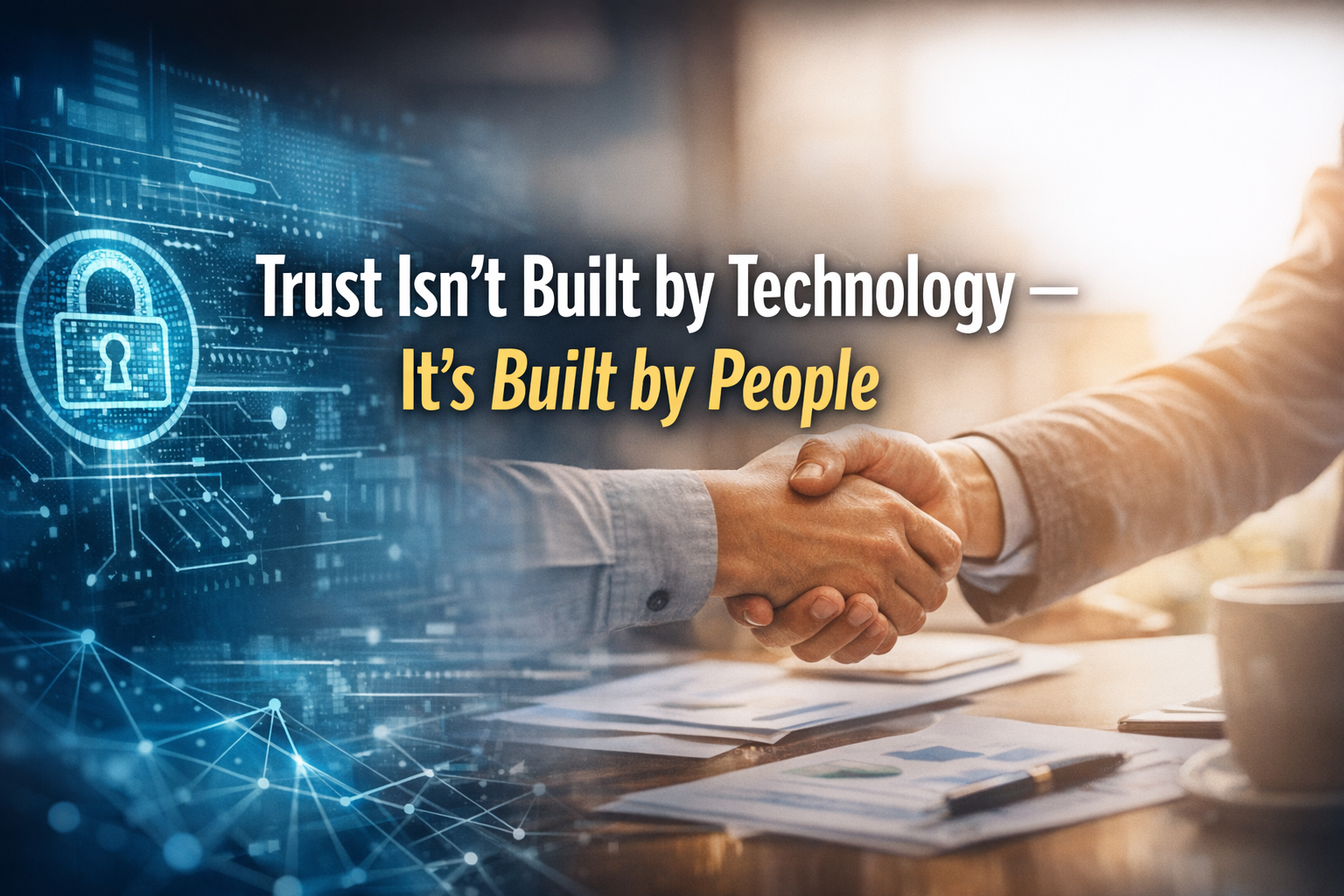
When something breaks, tools don’t build trust — people do.
Let’s break down why.
1. Tools Don’t Fix the Real Gaps — People Do
Across Canada, businesses often switch IT providers even though their technology stack was technically “fine.” The firewall worked. The antivirus updated. The monitoring platform reported issues.
But underneath all that, something more human was missing:
- No one followed up when backups failed
- No one remembered the client’s busy season
- No one communicated upcoming changes
- No one explained risks in a way leadership could actually understand
This is the real failure point in most IT environments.
Educational takeaway:
You can buy the best tools on the market.
You cannot buy accountability, ownership, or care.
Those come from people — not platforms.
You cannot buy accountability, ownership, or care.
Those come from people — not platforms.
2. Consistency Builds Trust, Not Complexity
Organizations rarely benchmark IT on technical specs alone. In practice, they judge reliability by moments:
- How fast does someone respond when you’re stuck?
- Does the person helping you know your environment?
- Does your IT partner bring issues to you before they become problems?
- Are conversations clear and jargon‑free?
These moments compound into one of two outcomes:
Predictability → Trust
Surprises → Frustration
Surprises → Frustration
Educational takeaway:
A trusted IT environment feels boring in the best possible way.
It’s calm, consistent, and uneventful — because the right people manage the chaos behind the scenes.
It’s calm, consistent, and uneventful — because the right people manage the chaos behind the scenes.
3. The Hidden Burden: Mental Load on Leadership
Many executives and office managers unintentionally become the “default IT person,” not because they want to — but because someone has to bridge the gaps.
This creates invisible costs:
- Time spent chasing updates or tickets
- Anxiety over security threats
- Pressure to approve decisions without full clarity
- Fear of downtime or data loss
- Avoidable disruptions stealing focus from strategic work
These pain points don’t show up on quotes or invoices, but they dictate how leaders feel about their IT partnership more than anything else.
Educational takeaway:
Great IT reduces cognitive load — not just outages.
If leadership feels uncertain, technology isn’t the issue. The partnership is.
If leadership feels uncertain, technology isn’t the issue. The partnership is.
4. What Strong IT Partnerships Actually Do Differently
Here’s what consistently successful organizations experience with their IT teams — regardless of provider:
Proactive Communication
Small issues are discussed before they become big ones.
Contextual Support
Technicians understand the business, not just the ticket.
Clear Roadmaps
Leadership knows what’s coming and why it matters.
Transparency
No surprise invoices, no unexplained changes, no “just trust us.”
Human Ownership
Someone feels responsible — not just assigned.
Educational takeaway:
The markers of a high‑trust IT partnership have more to do with human behaviour than with technical specs.
5. The Question Leaders Should Ask When Evaluating IT Partners
Most RFPs, proposals, and sales pitches focus on features, tools, and pricing.
But the real differentiator comes down to a far simpler question:
“When something critical happens at 4:30 on a Friday, who’s actually going to pick up the phone?”
Not the brand.
Not the software dashboard.
Not the automation tool.
Not the software dashboard.
Not the automation tool.
A person.
And the quality of that person — their consistency, communication, awareness, and accountability — is what determines whether the partnership will succeed.
Educational takeaway:
The best IT partner isn’t the one with the fanciest tech — it’s the one who shows up when it matters.